
 By Nexora Magazine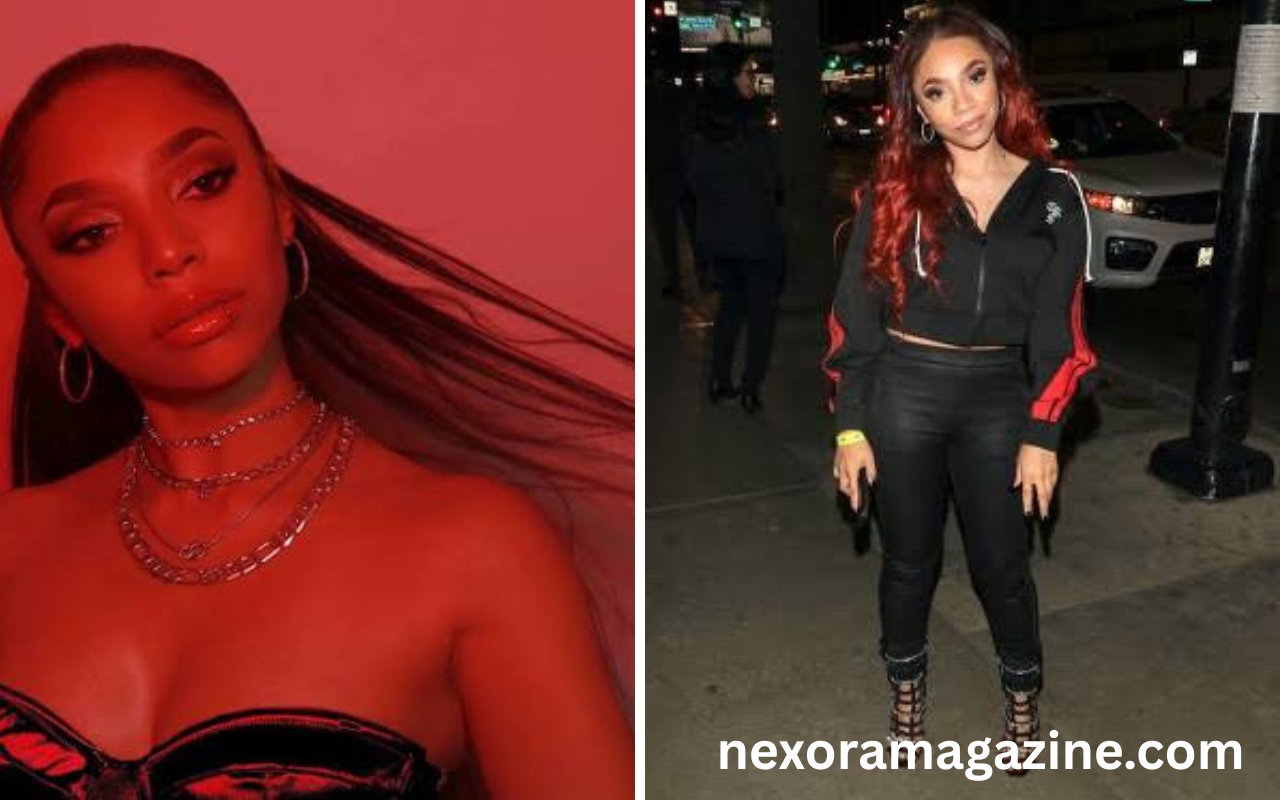
Erin Bria Wright, often known professionally as E.B. Wright or Ebie Wright, is an American singer, entrepreneur, media personality, and documentary producer who has attracted public attention both because of her own ambitions and because of her connection to one of hip-hop’s most influential figures. As the daughter of legendary rapper Eazy-E, Erin Bria Wright occupies a unique place in popular culture. Her story is one of legacy, identity, family history, and a determination to preserve the memory of a father she lost at a very young age.
While many people first learned about Erin through reality television appearances and media coverage surrounding her famous father, her life extends far beyond celebrity lineage. She has spent years developing creative projects, pursuing music, advocating for her father’s legacy, and exploring the circumstances surrounding his life and death. Through these efforts, she has become an important figure in discussions about hip-hop history and the ongoing influence of the Wright family.
Understanding Erin Bria Wright requires understanding not only her personal journey but also the cultural significance of the family into which she was born. Her story intersects with the rise of gangsta rap, the history of N.W.A., the impact of Ruthless Records, and the enduring fascination surrounding Eazy-E’s life and legacy.
Early Life and Childhood
Erin Bria Wright was born on July 16, 1991, in Compton, California. She is the daughter of Eric Lynn Wright, known worldwide as Eazy-E, and Tracy Jernagin, who worked in the music industry as a manager. Growing up in Southern California, Erin was exposed to the entertainment world from birth, although her experience was dramatically altered by tragedy at an early age.
Her childhood was significantly shaped by the loss of her father. Eazy-E passed away in March 1995 due to complications related to AIDS, leaving Erin only four years old at the time. Because she was so young, much of her understanding of her father developed through stories, photographs, recordings, interviews, and the memories shared by family members and friends.
Despite the absence of her father during most of her upbringing, his influence remained a constant presence. His music continued to reach new audiences, documentaries explored his contributions to hip-hop, and fans across the world continued celebrating his legacy. As a result, Erin grew up aware that her father was not only a parent she had lost but also a cultural icon whose impact extended far beyond their family.
The Legacy of Eazy-E
To fully appreciate Erin Bria Wright’s story, it is necessary to understand the significance of her father. Eazy-E is widely recognized as one of the pioneers of gangsta rap and a founding member of N.W.A., the groundbreaking group that transformed the direction of hip-hop during the late 1980s and early 1990s. He also founded Ruthless Records, which became one of the most influential labels in rap music.
Born in Compton, California, Eazy-E helped bring West Coast hip-hop into the mainstream. Albums such as “Straight Outta Compton” changed the music industry and sparked national conversations about freedom of expression, censorship, policing, and urban life. His influence on rap culture remains evident decades after his death.
For Erin, growing up meant navigating the dual reality of having a father who was both a personal family member and a globally recognized cultural figure. This balance between private grief and public legacy would become a recurring theme throughout her life.
Family Background and Siblings
Erin Bria Wright belongs to a large and well-known family. Eazy-E fathered numerous children with several women, resulting in a large network of siblings and half-siblings. Reports have frequently indicated that Eazy-E had approximately eleven children. Among the most recognized members of the family are Lil Eazy-E, Dominick Wright, and Daijah Wright.
Because Eazy-E’s family structure was extensive, Erin’s experience growing up included relationships with many siblings who shared a connection through their father. Some family members pursued careers in music and entertainment, while others maintained a lower public profile.
Her mother, Tracy Jernagin, played a major role in her upbringing. Following Eazy-E’s death, Tracy became the primary parental figure in Erin’s life and helped guide her through childhood and early adulthood. Sources often credit her mother with providing stability and support during the years after the loss of Eazy-E.
Education and Personal Development
Although much of the public discussion surrounding Erin focuses on her family background, she also invested time in her education and personal growth. Various biographical profiles report that she attended university studies within the University of California system and developed interests in media, entertainment, and creative arts.
Education provided Erin with opportunities to explore her own talents independent of her father’s reputation. She developed interests in music, acting, business, and visual storytelling. These experiences would later contribute to her professional projects and entrepreneurial pursuits.
Her academic experiences also helped shape her understanding of media representation and storytelling, which became especially important when she began discussing how her father and family were portrayed in films and documentaries.
Reality Television and Public Recognition
One of the first major introductions of Erin Bria Wright to mainstream audiences came through reality television. She appeared on MTV programs including “My Super Sweet 16” and “Exiled.” These appearances showcased aspects of her life as the daughter of a famous rapper and introduced viewers to her personality and aspirations.
Reality television provided her with significant visibility during her teenage years. While some viewers focused primarily on her connection to Eazy-E, the shows also gave Erin an opportunity to present herself as an individual pursuing her own goals.
Public reaction to these appearances was mixed, as is common with reality television personalities. However, the exposure helped establish her public profile and opened doors for future opportunities in entertainment and media.
Building a Career in Music
Like many children of influential musicians, Erin eventually pursued her own path in music. Inspired by the artistic environment that surrounded her upbringing, she began working on original music projects and developing her identity as a performer.
Unlike her father, whose music was rooted in gangsta rap, Erin explored a broader range of contemporary influences. Her work incorporated elements of pop, urban music, and personal storytelling. Through singles and promotional releases, she sought to establish herself as an artist rather than simply the daughter of a rap legend.
Music offered her a means of creative expression and also provided a way to maintain a connection with her father’s legacy. While comparisons to Eazy-E were inevitable, Erin consistently emphasized her desire to develop her own voice and artistic direction.
The challenge of stepping into the music industry with a famous last name is substantial. Expectations from fans can be overwhelming, and comparisons are often unavoidable. Nevertheless, Erin continued pursuing music while simultaneously exploring other creative ventures.
Entrepreneurship and Brand Development
Beyond music, Erin Bria Wright demonstrated entrepreneurial ambitions. She became involved in business ventures and personal branding efforts designed to establish her independent identity.
One of the projects associated with her public image was “We Want EB,” an initiative connected to both her personal brand and her creative ambitions. Through entrepreneurial efforts, she sought to expand beyond traditional entertainment roles and build a platform that reflected her interests and goals.
Entrepreneurship allowed her to diversify her career and avoid being limited to a single professional category. Like many modern entertainers, she embraced a multi-dimensional approach that combined media, branding, music, and storytelling.
The Impact of “Straight Outta Compton”
The release of the 2015 film “Straight Outta Compton” reignited public interest in the story of N.W.A. and Eazy-E. The film introduced a new generation to the history of West Coast rap and became a major commercial and critical success.
For Erin Bria Wright, the film represented both an opportunity and a challenge. While she appreciated renewed attention to her father’s contributions, she also expressed concerns about certain aspects of his portrayal and the broader narrative surrounding his life. Public discussions about the movie often included Erin’s perspective as one of Eazy-E’s children.
She publicly praised actor Jason Mitchell’s performance as Eazy-E while also emphasizing that there were additional dimensions of her father’s life that audiences had not seen. This belief became one of the motivations behind her later documentary efforts.
The Documentary Project: A Ruthless Scandal
Perhaps the most ambitious project associated with Erin Bria Wright has been her documentary initiative, “A Ruthless Scandal: No More Lies.” The documentary was conceived as an effort to explore Eazy-E’s life, legacy, and the events surrounding his death.
Erin explained that she wanted to provide information and perspectives that had not been fully addressed in other portrayals of her father. She believed there were unanswered questions about his life and wanted to create a project that would tell a more comprehensive story from the family’s perspective.
To support the documentary, she launched a crowdfunding campaign that attracted significant media attention. Although the campaign ultimately did not achieve its financial goals, it succeeded in generating discussion about Eazy-E’s legacy and the family’s efforts to preserve his story.
The documentary project highlighted Erin’s commitment to historical preservation and her desire to contribute to the broader understanding of hip-hop culture.
Exploring Questions Surrounding Eazy-E’s Death
One of the reasons Erin’s documentary received widespread attention was its focus on questions surrounding Eazy-E’s death. Since his passing in 1995, numerous theories and speculations have circulated among fans and commentators.
Erin has repeatedly emphasized her desire to investigate unanswered questions and gather information about the circumstances surrounding her father’s final months. While mainstream medical records identify AIDS-related complications as the cause of death, discussions among fans and family members have continued for decades.
For Erin, the documentary was not solely about controversy. It was also about understanding her father more deeply and ensuring that future generations could access a complete and nuanced account of his life.
Relationship With Hip-Hop Culture
Growing up connected to one of hip-hop’s foundational figures naturally influenced Erin’s relationship with the culture. Hip-hop was not merely entertainment within her family—it was part of their history and identity.
Throughout her life, she has demonstrated respect for the pioneers who helped build the genre. She has frequently discussed the importance of preserving hip-hop history and ensuring that influential artists receive proper recognition for their contributions.
Her work has often focused on memory, legacy, and education rather than solely on commercial entertainment. This approach distinguishes her from many celebrity children who pursue fame independently of their family’s history.
Public Image and Media Coverage
Media coverage of Erin Bria Wright has generally focused on three major themes: her connection to Eazy-E, her entertainment career, and her documentary efforts.
Journalists and fans often portray her as a guardian of her father’s legacy. At the same time, she has worked to establish herself as a creative professional with her own goals and ambitions.
This dual identity creates unique challenges. On one hand, her family name opens doors and attracts public interest. On the other hand, it can overshadow her individual achievements. Much of her career has involved balancing these competing realities.
Personal Life and Privacy
Despite growing up in the public eye, Erin Bria Wright has generally maintained a relatively private personal life. Compared to many contemporary celebrities, she shares limited information regarding romantic relationships and personal matters.
This decision appears consistent with her broader focus on professional projects and family legacy rather than celebrity culture. Public discussions about her tend to center on her work rather than her private affairs.
Maintaining this level of privacy has allowed her to keep attention focused on the issues and projects she considers most important.
Influence and Cultural Significance
Although Erin Bria Wright may not have achieved the same level of fame as her father, her role within hip-hop culture remains significant. She represents a bridge between generations of rap history and serves as one of the most visible descendants of an artist who transformed the genre.
Her efforts to preserve family history contribute to broader conversations about cultural memory. As hip-hop continues to mature as a global art form, the preservation of stories from its pioneers becomes increasingly important.
Through interviews, public appearances, music, and documentary work, Erin has participated in that preservation effort.
Future Prospects
Looking ahead, Erin Bria Wright remains positioned to continue influencing conversations about hip-hop history and family legacy. Whether through future documentaries, media projects, music releases, or entrepreneurial ventures, she possesses a unique perspective that few others can offer.
Interest in Eazy-E and N.W.A. remains strong decades after their rise to prominence. As a result, Erin’s voice continues to be relevant in discussions about the past, present, and future of hip-hop culture.
Her ongoing commitment to preserving her father’s story suggests that her work will remain connected to historical documentation and cultural education while also allowing room for personal creative growth.
Conclusion
Erin Bria Wright’s life is a compelling story of legacy, resilience, and self-discovery. Born into one of hip-hop’s most influential families, she faced the challenge of growing up without her father while simultaneously living in the shadow of his extraordinary reputation. Rather than retreating from that reality, she chose to engage with it directly.
Through music, entrepreneurship, television appearances, and documentary production, she has worked to honor Eazy-E’s memory while establishing her own identity. Her dedication to preserving her father’s legacy reflects both personal devotion and cultural responsibility.
As the daughter of a pioneering artist whose impact continues to shape music worldwide, Erin Bria Wright occupies a unique position in entertainment history. Her journey demonstrates that legacy is not merely inherited—it is actively preserved, interpreted, and carried forward by those who choose to protect it.
you may also read : Family Legacy and Entertainment Heritage