
 By Nexora Magazine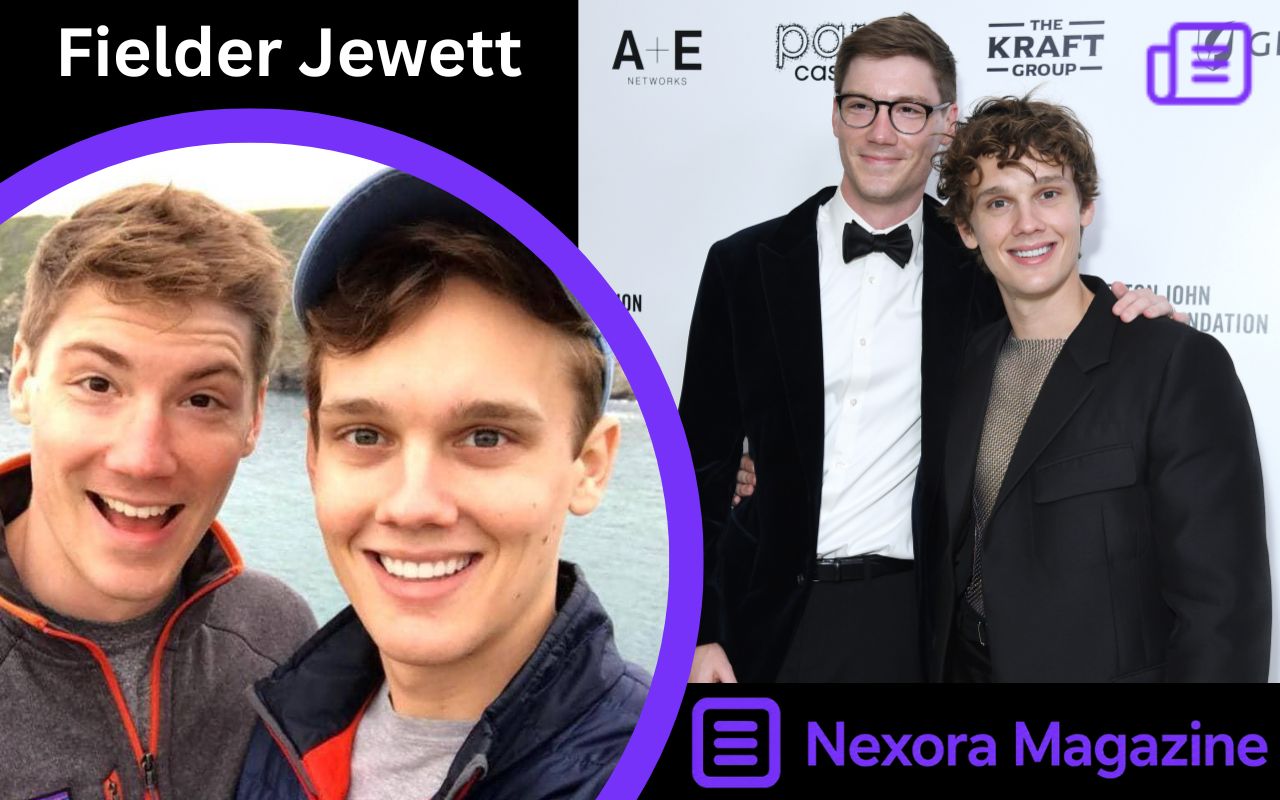
Fielder Jewett is a remarkable individual whose life has seamlessly intertwined creativity, professionalism, and personal commitment. Best known today as the husband of actor Hunter Doohan, Jewett’s story extends far beyond his relationship and reflects a dynamic career trajectory that spans independent filmmaking and legal practice. His journey from the bustling sets of Los Angeles to the rigorous environment of litigation law demonstrates both versatility and ambition, making him a figure of interest for many who admire career reinvention and professional dedication.
Early Life and Family Background
Fielder Douglas Jewett was born on December 6, 1988, in Chappaqua, New York, a region known for its scenic beauty and cultural richness. Raised in a family that valued both education and creativity, Jewett’s early environment was conducive to nurturing intellectual curiosity and artistic expression. Although he has maintained a private approach to his family life, it is understood that he grew up with at least one sibling and was surrounded by supportive parental guidance that encouraged exploration of both academic and creative pursuits.
From a young age, Jewett displayed an affinity for storytelling and visual arts, demonstrating an interest in narrative structures, character development, and the impact of media on audiences. These early inclinations would later translate into a career in the entertainment industry, where storytelling is both an art and a craft. The blend of a culturally rich upbringing and exposure to intellectual stimulation positioned him well for future success in multiple fields.
Education and Early Academic Pursuits
Fielder Jewett pursued higher education at Wesleyan University in Connecticut, a prestigious institution with a strong emphasis on liberal arts and film studies. There, he majored in Film Studies, immersing himself in both theoretical and practical aspects of cinema. Wesleyan’s rigorous academic environment allowed him to cultivate a deep understanding of cinematic techniques, narrative analysis, and production workflows, laying a solid foundation for his initial career in the film industry.
His education emphasized critical thinking and creativity, encouraging students to approach filmmaking with both an analytical and artistic mindset. Jewett excelled in this environment, developing skills in script analysis, production planning, and collaboration, which would later define his approach to independent film projects. The network he built during this time also connected him to industry professionals and peers who would influence his early career trajectory.
After several years in the film industry, Jewett made a deliberate decision to pivot towards law. Recognizing the importance of intellectual challenge and professional diversification, he enrolled in Loyola Law School in Los Angeles, a move that marked a significant transition in his life. Loyola provided rigorous training in legal research, litigation, and analytical reasoning, preparing him for a career that would complement his creative background with structured problem-solving skills.
Career in Independent Film Production
Following his undergraduate education, Fielder Jewett began his professional journey in Los Angeles, entering the world of independent filmmaking. He initially took on entry-level roles that provided comprehensive exposure to production workflows, set management, and creative collaboration. His early experiences included work as a production assistant, a role that required both attention to detail and adaptability, providing him with hands-on experience across departments and functions on set.
Jewett’s early exposure to various aspects of production allowed him to cultivate a deep understanding of both the artistic and logistical elements of filmmaking. He quickly progressed into roles with greater responsibility, including associate producer and co-producer, collaborating on independent films that garnered attention in festivals and niche audiences. Among his notable projects were Imperial Dreams, Bleeding Heart, After You’ve Gone, The Vanishing of Sidney Hall, and Rosy. Each of these projects offered unique challenges, from managing budgets and coordinating crews to ensuring that creative visions were executed effectively.
His reputation in the independent film community was characterized by diligence, creative insight, and collaborative skill. Jewett was not only a logistical force but also someone who contributed meaningfully to creative discussions, demonstrating a rare blend of administrative and artistic acumen. His work in independent cinema highlighted his ability to navigate complex projects and bring stories to life in ways that were both authentic and resonant with audiences.
Transition to Legal Practice
Despite success in film production, Jewett recognized the potential for a more structured and intellectually challenging career in law. After completing his studies at Loyola Law School, he transitioned into the field of litigation, joining a prominent Los Angeles-based law firm as a litigation associate. This move demonstrated his ability to navigate major career shifts while leveraging skills acquired in a seemingly unrelated industry.
In his legal practice, Jewett specializes in commercial litigation, intellectual property, civil rights, and entertainment law, areas where his background in film production provides a unique perspective. His experience in managing creative projects, understanding contracts, and negotiating complex workflows translates seamlessly into litigation strategy and client advocacy. In particular, his familiarity with the entertainment sector enables him to address legal disputes that involve creative rights, trademarks, and contractual obligations effectively.
Jewett’s legal career emphasizes meticulous research, strategic planning, and courtroom advocacy. He has developed a reputation as a thoughtful, precise, and intelligent attorney who can approach complex cases with both analytical rigor and practical insight. This dual expertise — blending creativity and law — sets him apart in both fields, positioning him as a professional with a multidimensional skill set.
Personal Life and Relationship with Hunter Doohan
Fielder Jewett is perhaps most widely known to the public as the husband of Hunter Doohan, the actor recognized for his role in the Netflix series Wednesday. Their relationship began in 2015, when they met through the dating app Tinder. Despite the public interest in Doohan’s acting career, the couple has maintained a private and grounded approach to their personal lives.
The relationship evolved steadily, with public acknowledgment occurring around 2018. Jewett and Doohan became engaged on December 31, 2020, in a private ceremony, and were married in June 2022, with actor Bryan Cranston officiating the wedding. Their marriage, while celebrated in media outlets, is characterized by privacy, mutual respect, and a focus on shared personal values.
Jewett has intentionally kept his social media presence minimal, reflecting a preference for a life away from constant public scrutiny. His partnership with Doohan is frequently highlighted in interviews as a stable and supportive relationship, providing a foundation of personal fulfillment alongside their respective careers. The couple’s story is often cited as an example of a healthy, enduring partnership in the context of Hollywood and entertainment culture.
Public Image and Professional Identity
Despite limited social media engagement, Fielder Jewett is recognized professionally for his dual expertise in film production and law. He maintains a reputation for discretion, reliability, and intellectual capability. Within the film industry, he is known as a collaborative producer capable of balancing creative vision with practical realities. Within the legal sector, he is recognized as an analytical, meticulous attorney capable of navigating complex litigation matters.
Jewett’s life demonstrates the possibility of career reinvention and the blending of seemingly disparate skills into a cohesive professional identity. His story challenges the notion that individuals must specialize narrowly; instead, it illustrates that creativity, analytical skills, and professional versatility can coexist and reinforce one another.
Legacy, Influence, and Continuing Work
While Fielder Jewett may not be a mainstream celebrity, his influence is evident in the industries he touches. In filmmaking, he contributed to projects that enriched independent cinema and supported emerging creative voices. In law, he provides essential advocacy, representing clients with both technical expertise and strategic insight.
His personal and professional journey reflects broader themes of adaptability, lifelong learning, and interdisciplinary excellence. Jewett exemplifies the idea that individuals can build meaningful, multi-layered careers while maintaining integrity, pursuing passion, and fostering personal relationships.
The combination of independent film production experience and a successful legal career also positions him as a unique figure who bridges creative and professional domains, demonstrating that the skills acquired in one field can have profound applications in another.
Read More: Laurent Macron: The Private Brother of President Emmanuel Macron
Conclusion
Fielder Jewett’s life story is compelling not just because of his association with Hunter Doohan but because of his own accomplishments. From his early fascination with storytelling to his professional achievements in film production and law, Jewett embodies versatility, dedication, and strategic thinking. His journey demonstrates that career transitions are possible, that personal and professional success can coexist, and that one can thrive in multiple disciplines through persistence and vision.
By balancing creative endeavors with analytical rigor, maintaining privacy in personal life while contributing meaningfully in professional spheres, and cultivating a career that bridges industries, Fielder Jewett represents a modern archetype of multi-faceted success. His life offers inspiration for individuals seeking to navigate complex career paths, pursue diverse interests, and build meaningful partnerships both personally and professionally.